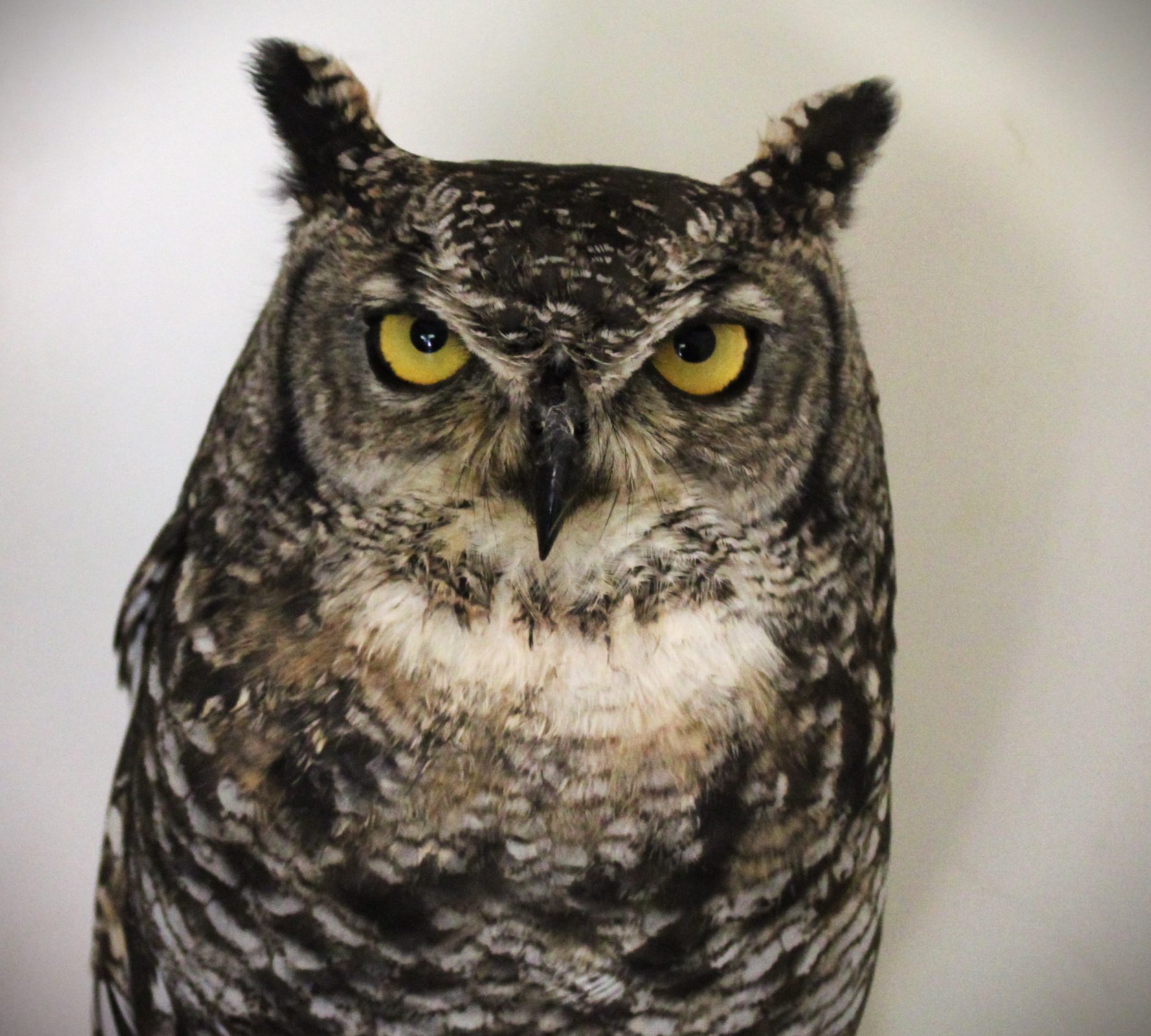
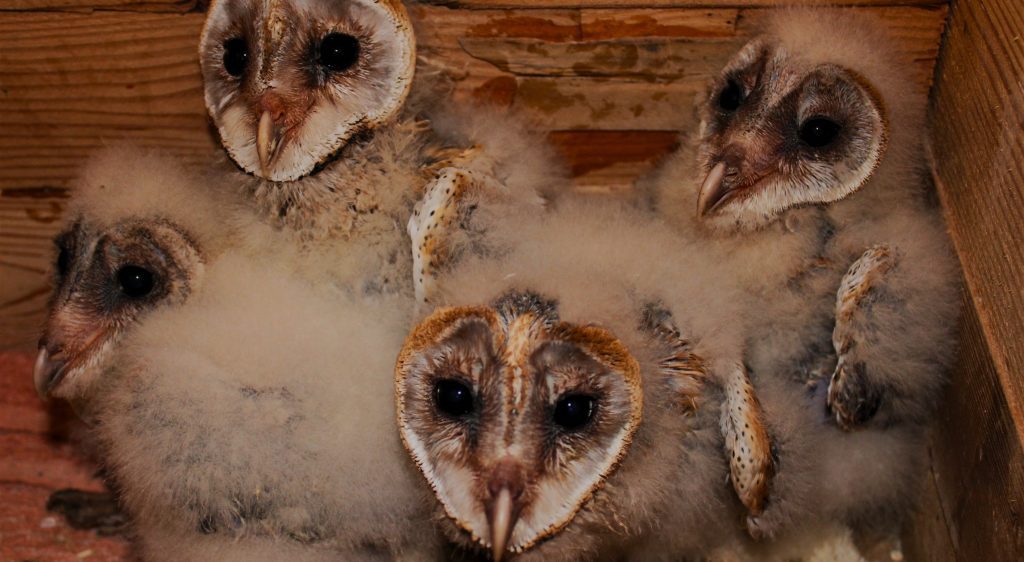
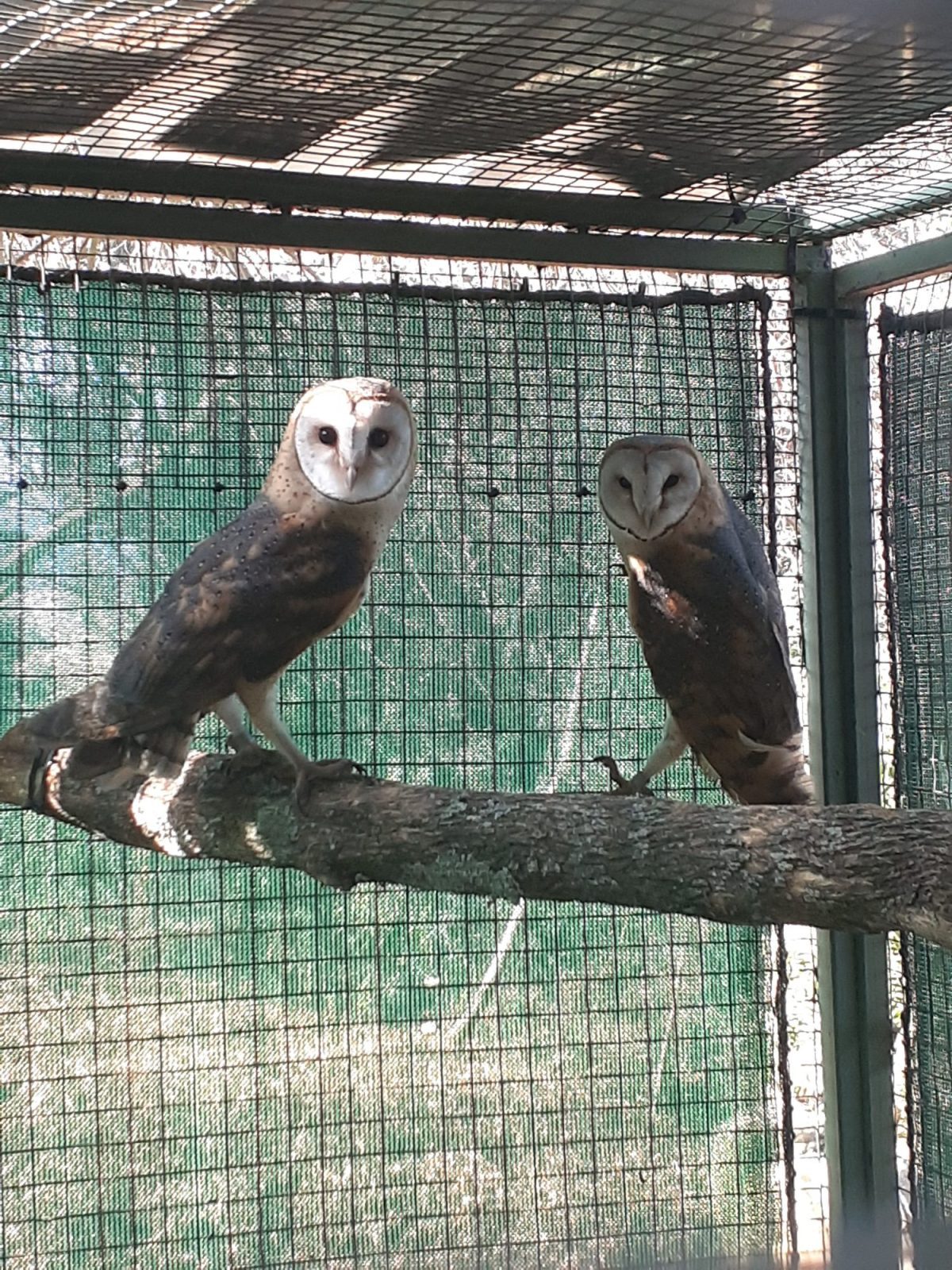
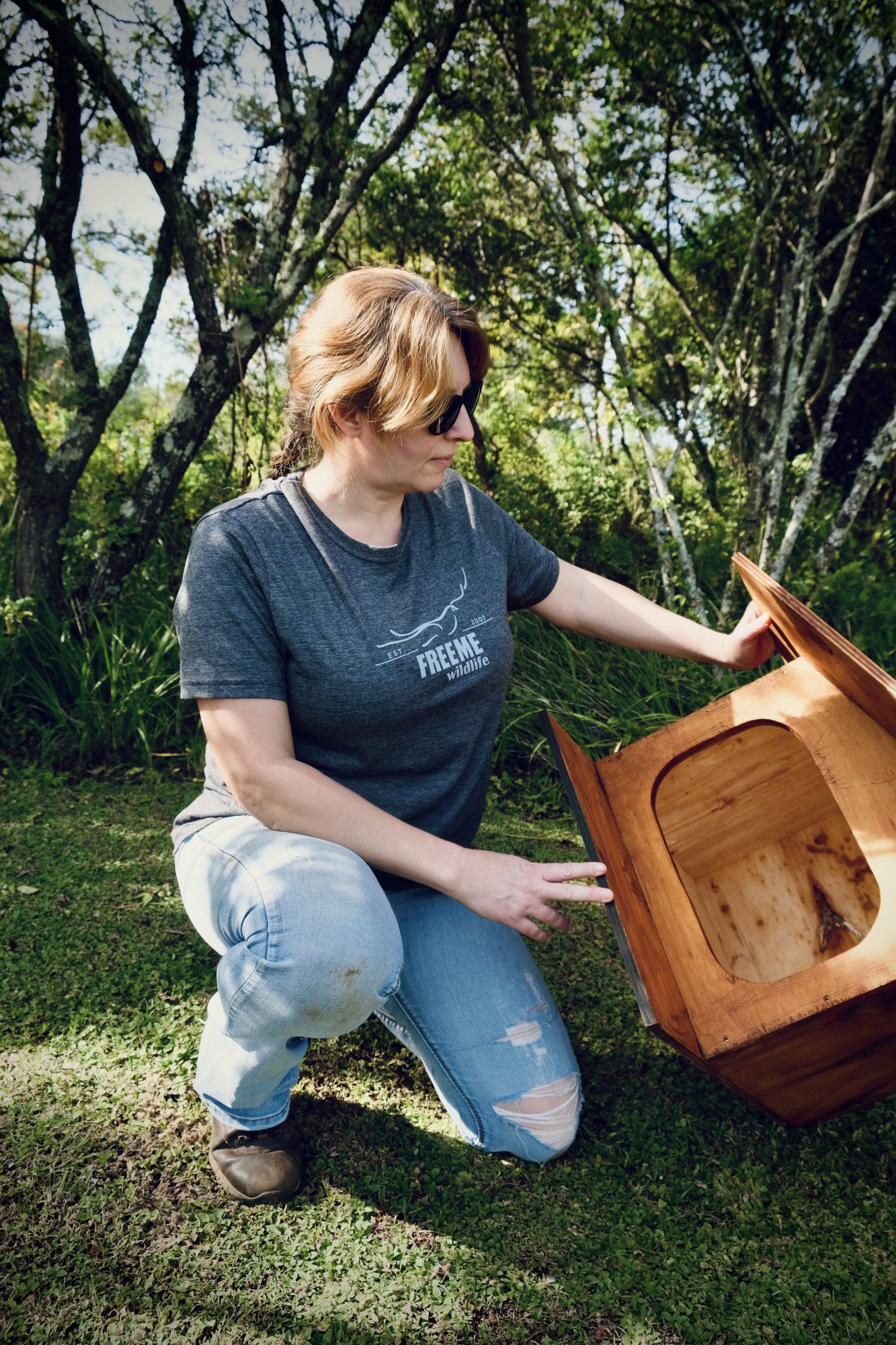
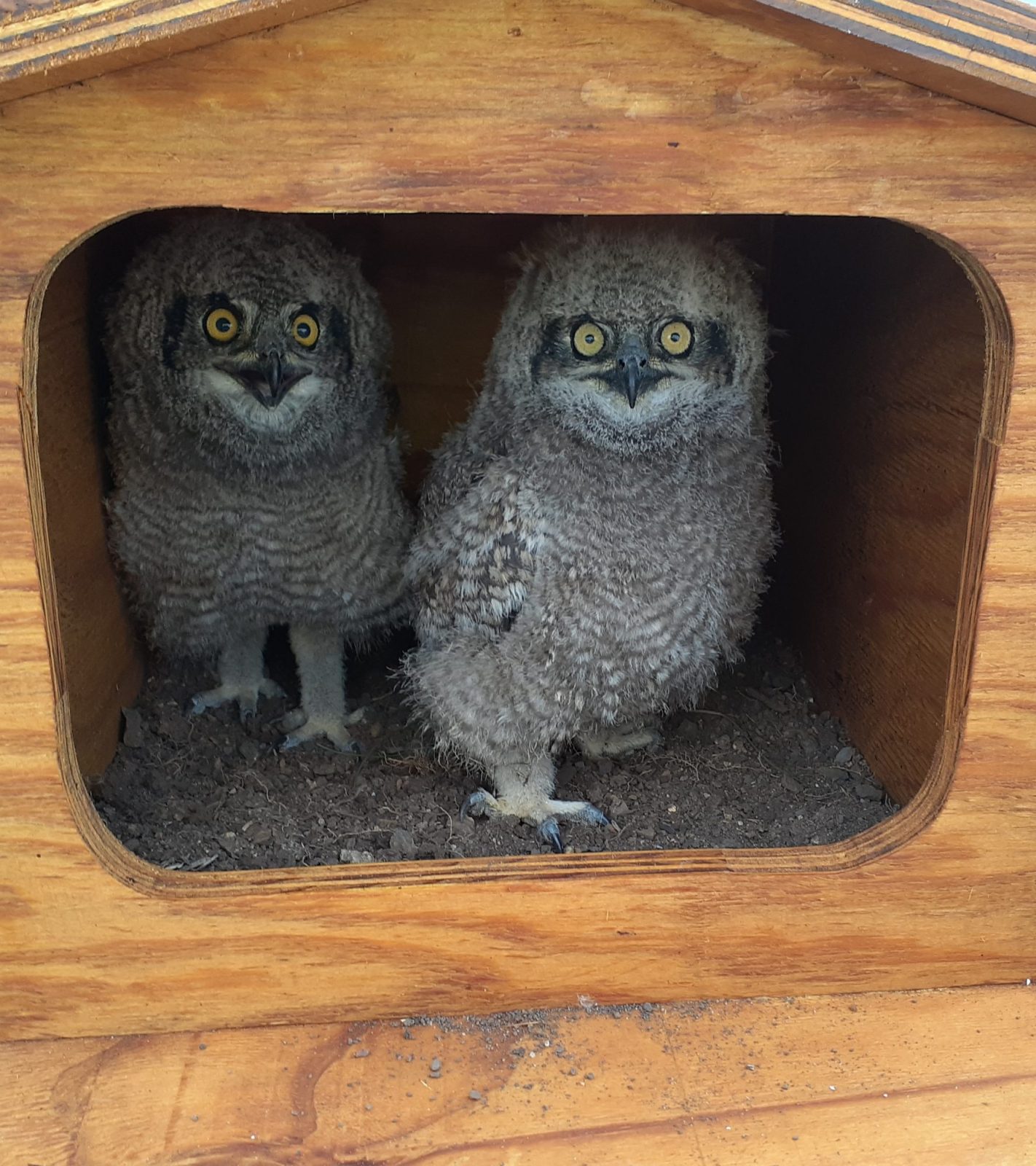
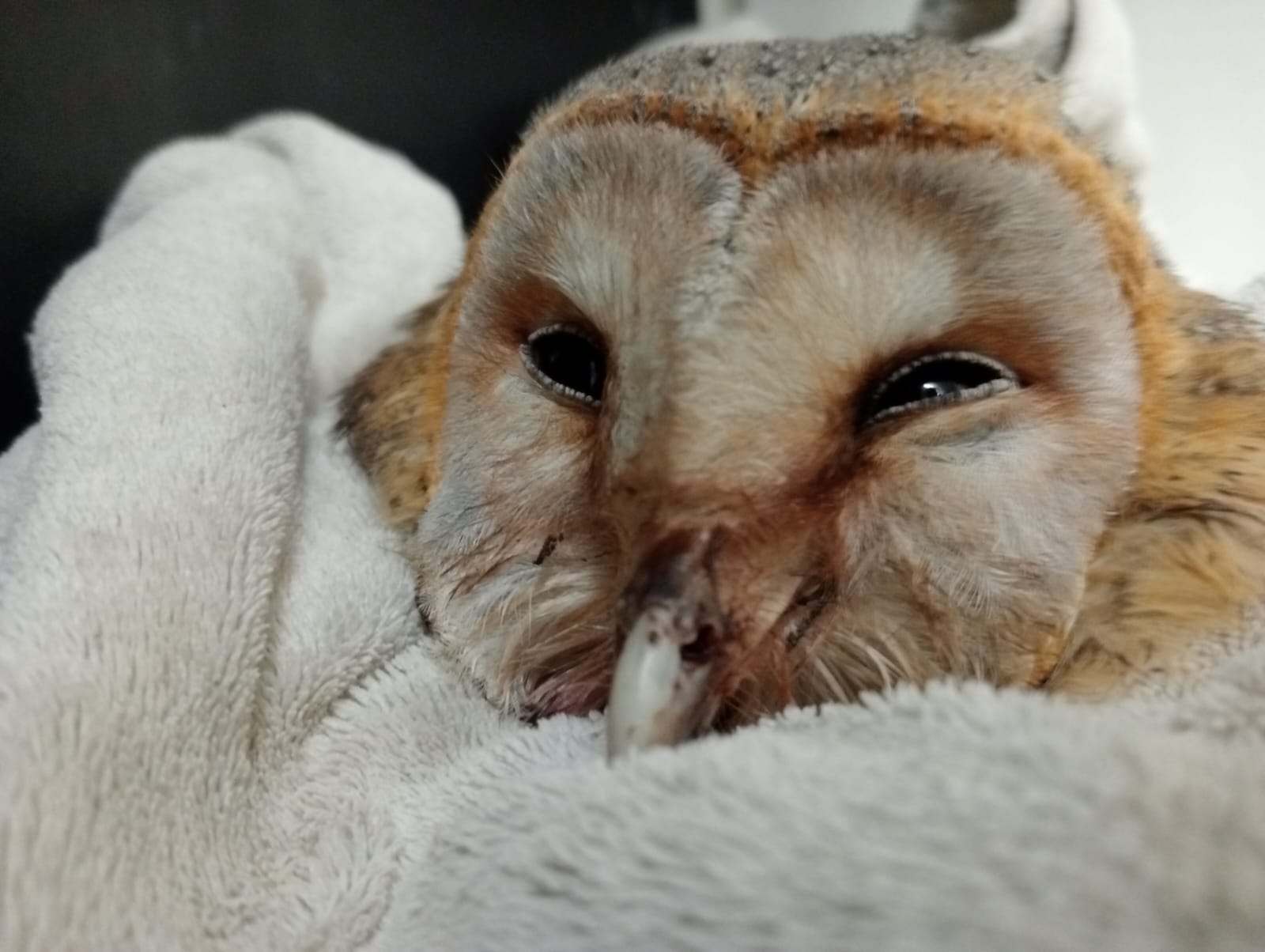
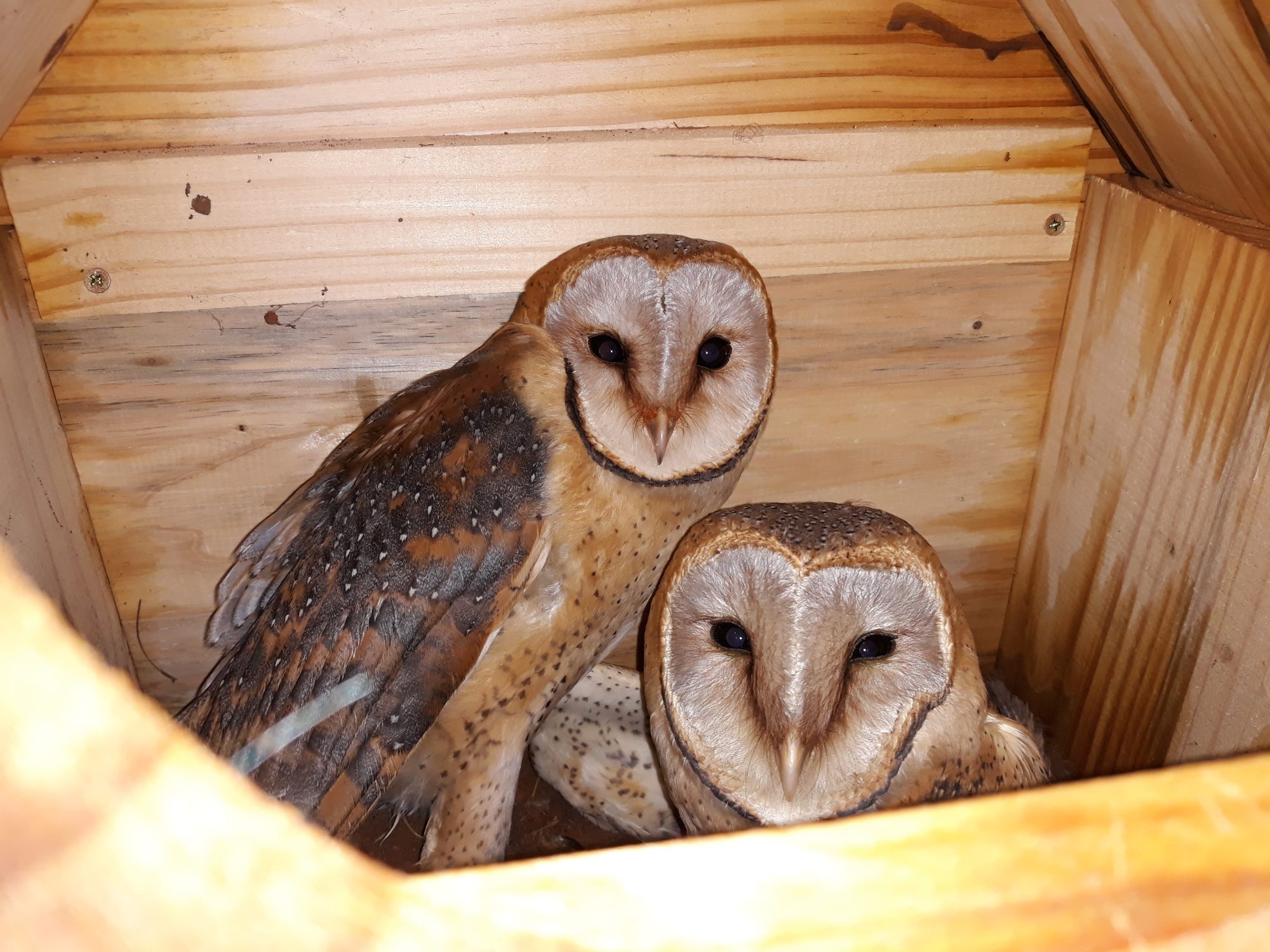
The FreeMe Wildlife nest box projects started with the Owl Box Project in 2014. The Owl Box Project aimed to support the rehabilitation of owls through engagement and involvement with the public to promote the protection and advocacy of owls.
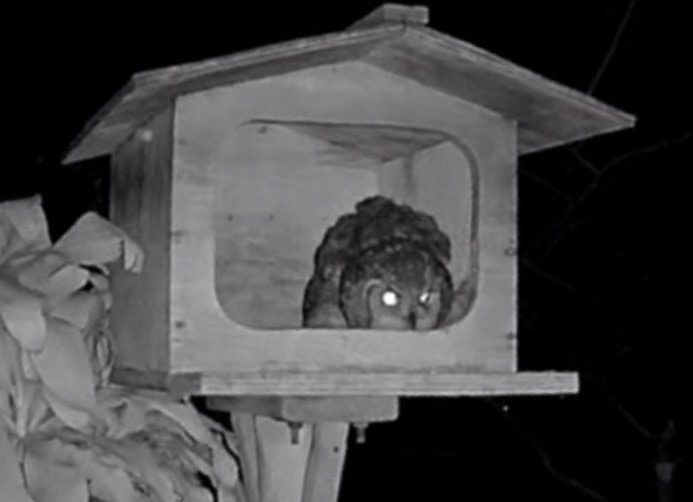
The approach of the project combines rehabilitation with research and education. On their own, owl boxes provide safe nest options for resident, local owl species. Combined with the rehabilitation of owls, owl boxes are a tool that can be used in the release and reintroduction of owls into new areas. Information collected from occupied owl boxes contributes to research and the understanding of owls, including their prey base. Data obtained from the research becomes useful in public engagement and education on the value of owls as apex predators in the environment, and by extension the damage that poisons do in an ecosystem.
The Owl Box Project expanded over the years to include the Bat Box Project, Bird Box Project, and Bee Box Project. The aim of all the projects is the same in promoting the protection and advocacy of species, while supporting the rehabilitation work done with these species. Bats are a keystone species in the environment, both as pollinators and vectors of seed dispersal (fruit bats) and as pest control (insectivorous bats).
Cavity nesting bird species are often impacted through the removal of old, dead trees and branches in gardens. As most cavity nesting bird species contribute towards pollination and seed dispersal, as well as insect pest control, they fill important roles in the environment. Solitary Bees are vital pollinators for a wide range of natural plant species and can safely be encouraged in gardens as they live alone, are largely stingless, and do not show the aggressive, swarming behaviour of Honeybees.
All the species that the box projects support and promote are impacted by the increasing use of pesticides, which disrupt the natural balance of ecosystems, and lead inevitably to health issues for the environment and for people. The artificial control of ‘pests’ is furthermore exacerbated by the collapse of natural predator populations, leading inevitably to a more widespread decrease in biodiversity. The box projects aim to address this imbalance through supporting natural predators and pollinators to re-balance ecosystems, negate the use of pesticides, and promote a healthier environment.
All the boxes that form part of the box projects are available for purchase and funds generated from these sales go entirely back into the wildlife rehabilitation work undertaken at FreeMe Wildlife. Each box comes complete with an information booklet that not only gives instructions as to the correct site selection and placement of the boxes, but also contains further information on the species the box project supports.
See some of our success stories:
For more information on the Nest Box Project, and by extension the other box projects, please follow the Facebook page: https://www.facebook.com/owlboxproject/